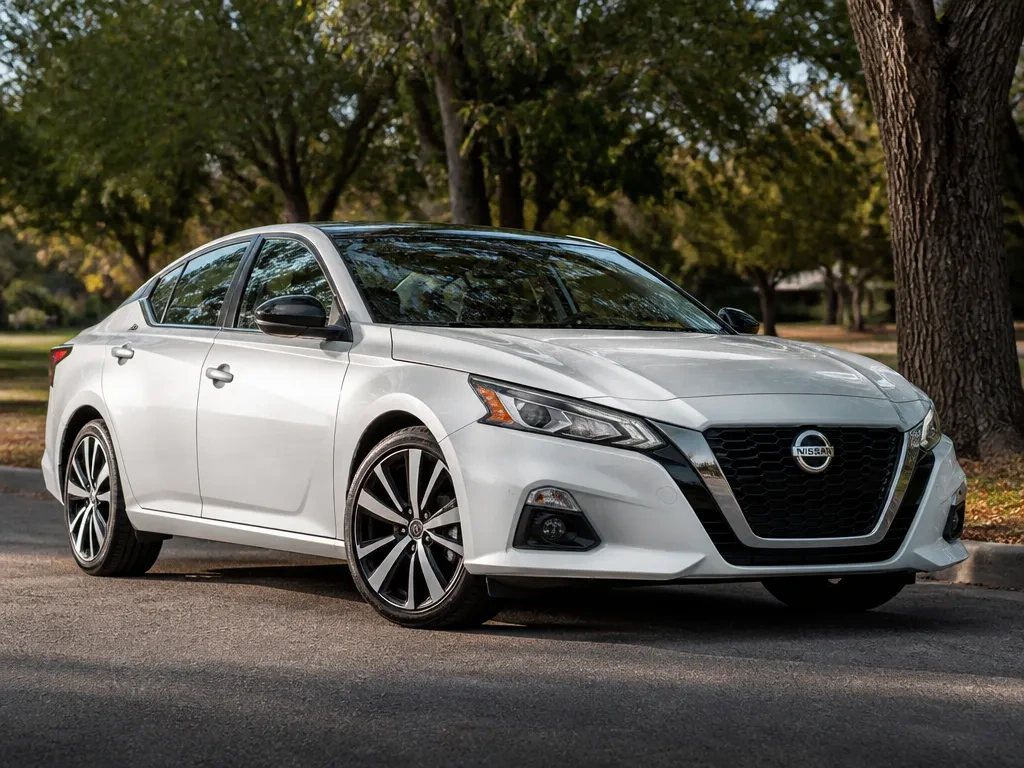
For a 2020 Nissan Altima with the KR20DDET 2.0L VC-Turbo I4, the working refill reference after a full drain and oil-filter replacement is about 5 1/8 US quarts (about 4.8 liters). Treat that as a starting reference, then confirm the final level with the dipstick.
Begin with roughly 4 1/2 quarts (4.3 liters) rather than pouring in the entire reference amount at once. After the oil settles, add small amounts only as needed. The dipstick determines the final level.
The Published 5 1/8-quart Fill With A New Filter
The refill figure used for the 2020 Nissan Altima KR20DDET 2.0L VC-Turbo I4 is about 5 1/8 US quarts (about 4.8 liters) for a drain-and-refill with a new oil filter. It assumes the old oil has been drained and the replacement filter has been installed.
5 1/8 US quarts is presented here as approximately 4.8 liters. Because the amount left in the engine can vary, use the figure as a refill reference rather than a substitute for checking the dipstick.
| Service condition | Primary fill target | Metric equivalent |
|---|---|---|
| Drain-and-refill, new filter installed | About 5 1/8 US quarts | About 4.8 liters |
The amount required can differ from one service to another if the drain is incomplete or oil remains in the filter and passages. Add measured amounts, allow the oil to settle, and use the dipstick to establish the final level.
Do not continue adding oil simply to reach the reference number. Stop when the dipstick reaches the correct range, and correct an overfill rather than leaving the level above the upper mark.

What The With-filter Capacity Assumes
The approximately 5 1/8-quart (4.8-liter) figure applies to the service condition described here: the oil has been drained, the filter has been replaced, and the final level is checked after the oil settles. A different service condition can require a different amount.
Filter Replaced And Gasket Lightly Lubricated
This reference assumes a new filter is installed. The filter gasket should be prepared according to the applicable service procedure, including any required lubrication, so the filter seats correctly. Confirm that the filter is secure before adding oil and inspect it for leaks after the engine runs.
Oil Pan Allowed To Drain Fully
The reference also assumes the drain has been allowed to finish and the vehicle is positioned for a proper level check. If oil remains in the pan, filter, or passages, the same poured amount may produce a different dipstick reading.
Capacity Is Not Permission To Exceed The Upper Dipstick Mark
The approximately 5 1/8-quart figure is a refill reference, not a reason to exceed the upper dipstick mark. If the level is above that mark after settling, remove oil and check again.
Bottom line: start with the filter-replacement reference after a full drain, then make the final adjustment from the dipstick.
How The Other Fill Quantities Differ
The reference amount changes with the service performed. The filter-replacement figure used here is about 5 1/8 US quarts (4.8 liters), while the drain-only figure is about 4 7/8 quarts (4.6 liters). Both remain subject to a final dipstick check.
Practical takeaway: match the reference to the work performed, then let the dipstick control the final level. Add small amounts if the level is low, or remove oil if it is above the upper mark.
How Much Oil To Add Before The First Check
This sequence leaves room for differences in how fully the oil drained and how much oil remains in the filter or passages. Continue with small, measured additions until the dipstick reaches the correct range.
Keep the container closed between additions. If you overshoot the upper mark, stop and remove oil before operating the vehicle.
How To Confirm The Level On The Dipstick
The dipstick reading is meaningful only when the vehicle is positioned consistently and the engine is off. The amount poured is a guide; the settled level is the final check.
Which Number Applies To Each Service Situation
Use the reference that matches the work performed. The filter-replacement figure assumes a full drain and a new filter, while other situations leave a different amount of oil in the system.
Choosing the wrong reference can put the level above the upper mark. If that happens, use the dipstick and correct the level rather than adding more oil.
| Service situation | Refill reference to use | Why that number fits |
|---|---|---|
| Top-off only (you did not drain, and you did not change the filter) | Add only what the dipstick requires | Most of the oil is already in the system, so this is a level correction rather than a refill from an empty pan. |
| Filter changed (drain-and-refill with the filter replaced) | About 5 1/8 US quarts (about 4.8 liters) | This is the filter-replacement reference used for a completed drain and a new filter. |
| Filter not changed (drain-and-refill without replacing the filter) | About 4 7/8 US quarts (about 4.6 liters) | This is the drain-only reference used when the existing filter remains in place. |
| Dry engine (after a major service where the engine is dry, or you are not sure it holds oil) | Fill gradually, then verify by dipstick | A dry or repaired engine is not in the same condition as a routine drain-and-refill. |
When the service condition is uncertain, add oil in small amounts and use the dipstick to establish the level. Do not rely on a routine refill reference for a dry engine.
Post-service Checks That Catch Problems
After the engine runs briefly, check the oil-pressure warning light, inspect the filter and drain-plug area for leaks, and verify the oil level. Correct any problem before driving.
Oil-pressure Light Stays On
If the oil-pressure warning light remains on after the engine starts, switch the engine off promptly. Check for an obvious service issue, including a low level, a loose filter, or a leaking drain plug. If the warning continues, do not drive until the cause has been diagnosed.
Allow the oil to settle before checking the dipstick, then inspect underneath the vehicle for fresh oil. A level within range does not by itself confirm that oil pressure is normal.
Oil Appears Around The Filter Or Drain Plug
Oil around the filter or drain plug requires inspection of the installation and sealing surfaces. Turn the engine off, identify the leak point, and correct the installation using the applicable service procedure.
Clean the area, run the engine briefly, and check again. Do not drive if the leak continues.
Dipstick Level Is Below Or Above The Marks
If the level is below the correct range, add oil in small measured amounts, allow it to settle, and recheck. If it is above the upper mark, remove oil and check again. The nominal refill quantity does not override the dipstick.
Before moving the vehicle, confirm that the filler cap is secure and that spilled oil has been cleaned from the engine area.
Quick Summary
For the service condition described here, a fully drained 2020 Nissan Altima KR20DDET 2.0L VC-Turbo I4 with a new oil filter has a working refill reference of approximately 5 1/8 US quarts, or 4.8 liters. Confirm the final level with the dipstick.
For a normal filter change, begin with about 4 1/2 quarts, or 4.3 liters. Allow the oil to settle, check the dipstick on level ground, and stop at the upper mark even if that requires slightly less than the reference amount.
Next action: Confirm that the filter was replaced, add the measured starting amount, and complete the dipstick and leak checks before driving.
Frequently Asked Questions
What Should An Oil Change For This Engine Cost?
There is no single dependable price. The total depends on the oil, filter, labor rate, taxes, and any additional services or disposal charges.
Ask for an itemized estimate listing the oil, filter, labor, and additional work. The shop should also confirm that the quote applies to the KR20DDET engine.
How Long Should I Allow For The Service?
The time varies with shop workload, equipment, and the condition of the drain plug and filter. The appointment duration also may not include the time needed for the oil to settle and the final level to be checked.
Ask whether the service includes a leak inspection and a final dipstick check.
Does This Capacity Apply If My Altima Has A Different Engine?
It applies only to the KR20DDET 2.0L VC-Turbo I4. Do not use these figures for an Altima with another engine.
Confirm the engine identity through the vehicle information, service records, or the specification assigned to the vehicle identification number. If it identifies another engine, use that engine’s refill information.
What Should I Do If The Oil-pressure Warning Light Stays On After Service?
Turn the engine off promptly and do not continue driving while the warning remains illuminated. Check for an obvious service problem, such as a low oil level, loose filter, or leaking drain plug, but do not assume a correct dipstick reading proves that oil pressure is normal.
If the warning does not go out or returns, arrange diagnosis before operating the vehicle further.
How Can I Verify That A Shop Used The Right Capacity?
Request a work order showing the engine identified, whether the filter was replaced, and the amount of oil installed. Compare those details with the applicable service condition rather than a generic Altima listing.
Check the dipstick after the service and inspect the filter and drain-plug area for leaks. The amount on a receipt does not replace checking the actual level.
When Should I Have A Professional Handle The Refill Instead?
Use a professional if the engine identity is uncertain, the drain plug or filter will not seal, the oil-pressure warning light behaves abnormally, or the dipstick reading remains inconsistent after repeated checks on level ground.
A dry, rebuilt, or recently repaired engine also requires a different approach from a routine oil change. In that situation, have the person responsible for the repair specify the filling and inspection procedure.