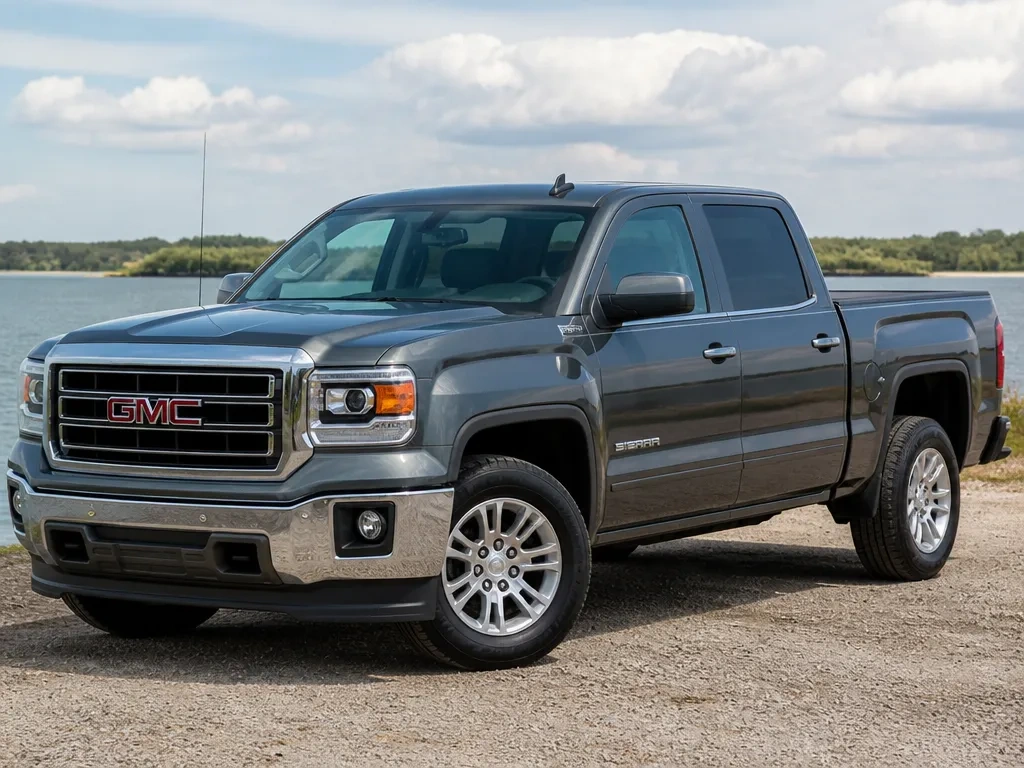
For a 2017 GMC Sierra 5.3L V8, the stated oil capacity is 8.0 qt (7.6 L) with a new oil filter and 7.0 qt (6.6 L) without replacing the filter. Use the figure that matches the service you are performing, then verify the final level with the dipstick.
With a new filter, begin with slightly less than the stated total and add oil as needed after checking the dipstick. Without a filter change, use the lower figure as your starting reference. Do not fill to the oil-filler neck without checking the level.
What Is The Exact Oil Capacity For A 2017 Sierra 5.3l V8 With Filter, And Without?
For a 2017 GMC Sierra with the 5.3L V8, the stated capacity is 8.0 qt (7.6 L) when you install a new oil filter and 7.0 qt (6.6 L) when you drain the oil without replacing the filter.
| Service condition | Quantity to buy (final oil capacity) |
|---|---|
| Oil change with filter replaced | 8.0 qt (7.6 L) |
| Oil change without replacing the filter | 7.0 qt (6.6 L) |
These are planning figures. The amount that remains in the pan, filter housing, and oil passages can affect how much you need to add. Check the dipstick after the oil has settled and use the specification for your exact truck if it differs.

Why Does Capacity Differ When You Replace The Filter?
The two figures differ because the oil filter and its housing retain oil. Replacing the filter changes the amount of oil that the complete system holds after the service. A filter that remains installed may still contain oil after draining, while a new filter needs to fill during operation.
Draining the pan does not necessarily remove all the oil in the filter, housing, or internal passages. For that reason, the stated with-filter and without-filter quantities are service targets rather than a substitute for checking the dipstick.
The applicable quantity can also depend on the exact configuration and parts fitted to the truck. If the filter, oil pan, or engine differs from the original setup, confirm the specification and fill gradually while watching the dipstick.
The practical approach is simple: use the figure that matches the filter condition, start slightly below that amount, and adjust only after checking the settled oil level.
What Is The Initial-fill Approach For A With-filter Vs Without-filter Oil Change?
Start slightly below the stated total, then check the dipstick before adding more. The article’s starting figures are about 7.5 qt (7.1 L) with a new filter and about 6.5 qt (6.2 L) without a filter change.
| Oil change condition | Final target capacity (with spec) | Best “first fill” target to pour | What you do next |
|---|---|---|---|
| Install new oil filter | 8.0 qt (7.6 L) | 7.5 qt (7.1 L) | Run the engine briefly, wait, and add oil in small increments if the dipstick reads low. |
| Do not replace filter | 7.0 qt (6.6 L) | 6.5 qt (6.2 L) | Run the engine briefly, wait, and add oil in small increments if the dipstick reads low. |
After the initial fill, start the engine briefly so oil can circulate. Turn it off, wait about 5 to 10 minutes, and check the dipstick. If the level is below the marked range, add a little oil, wait again, and recheck. If the level is already within range, stop. The dipstick reading controls the final adjustment.
If the first fill places the oil near the full mark, do not add more. Check the level again after the oil settles instead of trying to force the stated total into the engine.
Use the capacity figures to plan what to buy. Use the dipstick to decide how much oil the truck actually needs after the service.
How To Verify The Final Oil Level With The Dipstick?
After topping up or removing excess oil, repeat the same settle-and-check process. If the level reaches the upper mark, stop. Do not continue adding oil to match a capacity figure once the dipstick shows that the level is correct.
What Steps To Fix Underfill Or Overfill Safely?
Make small adjustments, allow the oil to settle, and check the dipstick after each one. This avoids correcting one inaccurate reading with another.
If the reading keeps changing more than expected, slow down and repeat the process under the same conditions. Avoid adding more oil until the latest reading is clear.
What Factors Can Change Capacity Across Configurations?
The 5.3L V8 label alone may not identify every configuration. Engine information, model generation, oil-pan design, filter arrangement, and replacement parts can affect which specification applies.
How To Confirm The Exact Spec For Your Vehicle Using Vin/engine Info?
Confirm the capacity in the owner’s manual and VIN-specific information before buying oil. Match the model year, engine code, and filter condition rather than relying on a general 5.3L Sierra listing.
Quick Summary
Use 8.0 qt (7.6 L) for a 2017 GMC Sierra 5.3L V8 oil change with a new filter. Use 7.0 qt (6.6 L) when the filter remains in place.
Before starting the job, confirm the truck’s configuration and buy enough oil for the matching service condition. After filling, let the oil settle and use the dipstick to establish the final level.
Frequently Asked Questions
How Much Should A Sierra Oil Change Cost?
The total depends on whether you do the work yourself or pay for labor, as well as the oil, filter, drain-plug washer if required, and shop fees. Ask for an itemized estimate covering the oil grade, filter, labor, and disposal charge.
How Long Can I Wait Before Changing The Oil?
Use the maintenance schedule for your truck rather than a general mileage or time interval. The applicable schedule can depend on operating conditions such as towing, short trips, dusty use, or extended idling.
Does Installing A Larger Aftermarket Filter Mean I Should Add Extra Oil?
Do not add oil solely because a filter looks larger. Follow the specification for the vehicle, then check the dipstick. Add oil only if the level is below the marked range.
What Should I Do If The Oil-pressure Warning Appears After The Service?
Stop in a safe place and turn the engine off as soon as practical. Check the oil level and look for an obvious leak. Do not continue driving if the warning remains, the level is low, or oil is leaking rapidly. Have the truck checked before operating it again.
When Should A Professional Handle The Oil Change?
Get help if the drain plug is damaged or seized, the filter will not come off, the truck has an active leak, or the oil level remains abnormal after a careful check. Professional service is also appropriate if you cannot identify the engine configuration or dispose of used oil properly.
How Can I Tell Whether An Oil-capacity Claim Online Applies To My Truck?
Check whether the claim identifies the model year, engine, and filter condition. Compare those details with the owner’s manual and VIN-specific vehicle information. A general claim for a “5.3L Sierra” is incomplete without those details.