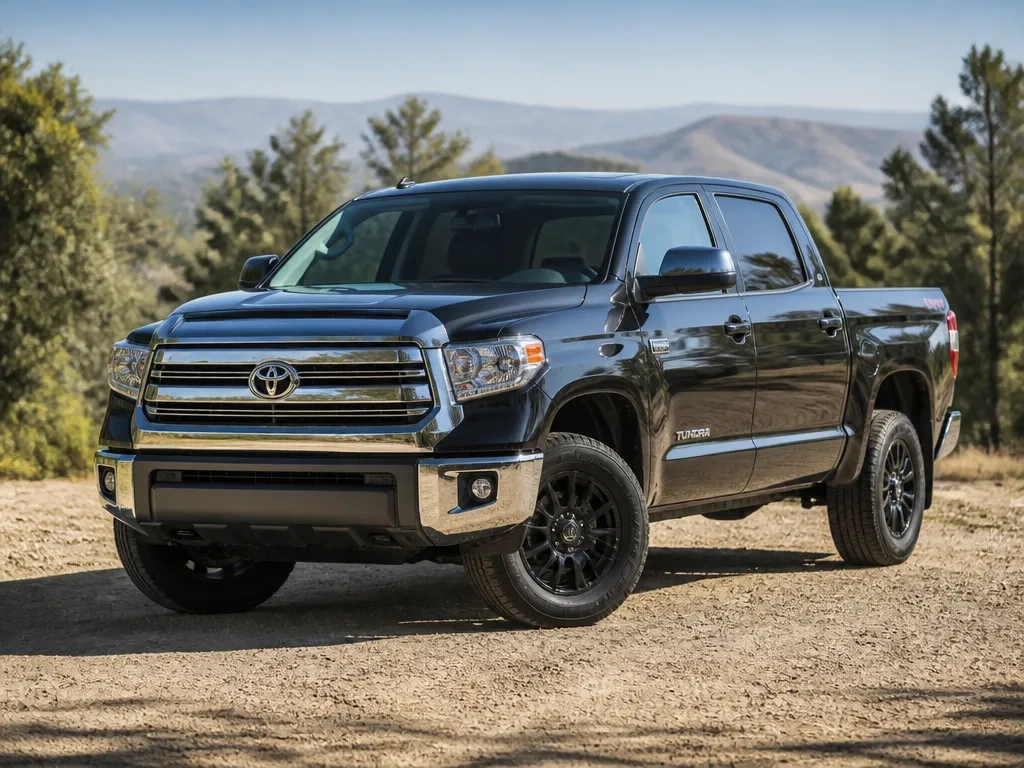
For a 2017 Toyota Tundra 4.6L V8, the stated oil capacity with a new filter is 8.0 quarts (7.6 liters). Treat that as a starting amount, then verify the final level on the dipstick.
The amount that drains can vary because oil remains in the filter, passages, and other engine surfaces. Do not use a separate “without filter” figure as the final fill amount unless it has been confirmed for your exact vehicle and service procedure.
What Is The 2017 Tundra 4.6l Oil Capacity With Filter?
The stated capacity for the 2017 Tundra 4.6L V8 with a new oil filter is 8.0 quarts (7.6 liters). Use this as the initial fill amount, then adjust based on the dipstick with the vehicle on level ground.
The amount needed can differ from the amount that drains. Oil may remain in the filter, passages, and other engine surfaces. For that reason, a separate “without filter” capacity should be confirmed in the owner’s manual or service information for the exact vehicle rather than inferred from the amount collected in the drain pan.
| Fill condition | Oil capacity (quarts) | Oil capacity (liters) |
|---|---|---|
| With new oil filter installed | 8.0 qt starting point | 7.6 L starting point |
| Without oil filter (reference) | Verify for the exact vehicle | Verify for the exact vehicle |
The 8.0-quart figure assumes that a new filter is installed. The final reading can still vary with the amount of oil left in the engine and the way the vehicle is positioned during the check.
After filling, always verify the level with the dipstick. This accounts for differences in drain time, residual oil, filter fill, and reading conditions.

How Toyota Determines Oil Capacity For This Engine
An oil-capacity figure describes an as-filled condition. The result depends on what was removed, whether the filter was replaced, and where the oil sits when the level is checked.
The practical approach is simple: install the correct filter, begin with the stated 8.0 quarts (7.6 liters), and set the final level from the dipstick.
Which Oil Grade And Api/ilsac Spec Toyota Expects
Use the viscosity and performance specifications listed in the owner’s manual for the exact 2017 Tundra 4.6L and the operating conditions. Because the applicable specification should be verified for the vehicle and market, do not rely on a generic viscosity or certification list.
| Temperature use (ambient) | Recommended viscosity | API service category | ILSAC rating | What to buy |
|---|---|---|---|---|
| Cold start conditions | Verify the manual’s temperature chart | Verify the manual’s requirement | Verify the manual’s requirement | Use the oil specified for the vehicle and climate |
| Moderate temperatures | Verify the manual’s temperature chart | Verify the manual’s requirement | Verify the manual’s requirement | Use the oil specified for the vehicle and climate |
| Very hot conditions | Use a heavier grade only if the manual permits it | Verify the manual’s requirement | Verify the manual’s requirement | Follow the vehicle’s approved viscosity and specifications |
Check the oil container for the viscosity and API or ILSAC wording required by the manual. If the label does not clearly match those requirements, choose another product or verify the specification before filling.
Do not switch to a heavier oil simply to address noise or a perceived engine issue. Use only a grade permitted by the vehicle’s temperature chart.
OEM wording to look for in your Tundra manual: a temperature-based viscosity chart and the required API and ILSAC classifications. If your manual revision uses different wording, follow the requirements for that vehicle and market.
What Oil Filter Parts Fit The 2017 Tundra
Use a filter confirmed for the 2017 Tundra 4.6L. The safest reference is the vehicle identification number, the owner’s manual, or a parts listing that specifically matches the engine and market. Do not rely only on a general “Tundra” label.
Specific filter part numbers should be verified for the exact vehicle rather than guessed. A wrong part can cause a gasket mismatch, poor sealing, or a leak.
What Variables Change Capacity And Fill Level
The stated capacity does not guarantee that every oil change will require exactly the same amount from the container. The final level depends on what was removed and how the dipstick is checked.
For consistent results, use the same checking method, install the correct filter, and finish by setting the level on the dipstick.
Step-by-step: How To Do An Oil Change And Verify Level
Use 8.0 quarts (7.6 liters) as the starting amount with a new filter, then verify and adjust the final level.
Dipstick Verification: Target Range And What “Correct” Looks Like
The dipstick, not the amount poured, determines whether the final level is correct. Check it with the engine off, the vehicle on level ground, and enough time allowed for the oil to settle.
Pull the dipstick, wipe it clean, reinsert it fully, and pull it out again. Read the oil against the markings. Use the same method each time because incomplete insertion or skipping the first wipe can make the reading unreliable.
Allow the oil to settle after shutting off the engine. The required wait should be verified in the owner’s manual if it specifies one.
Target Range, And How To Decide “Correct” Vs “Needs Adjustment”
The target is between the MIN and MAX marks. If the level is below MIN, add oil in small amounts and recheck. If it is above MAX, remove oil before operating the vehicle further.
| Dipstick reading | Meaning | What to do next |
|---|---|---|
| Below MIN | Level is below the marked range | Add small amounts and recheck after settling |
| Between MIN and MAX | Within the marked operating range | Stop adding and recheck if the reading seems inconsistent |
| Above MAX | Level is above the marked range | Remove oil and recheck before driving |
If the level does not match expectations, recheck the measurement and inspect for leaks before adding more oil.
Overfill, Underfill, And Leak Troubleshooting Checklist
After an oil change, an incorrect level or visible oil can point to a measurement problem, a leak, or an installation error. Stop and investigate rather than continuing to add oil based on guesswork.
Quick Summary
For a 2017 Toyota Tundra 4.6L V8, the stated engine oil capacity with a new oil filter is 8.0 quarts (7.6 liters).
Your final fill can differ from the starting amount because of:
Next action: Add 8.0 quarts (7.6 liters) as a starting amount, then verify and adjust to the dipstick’s target range.
Frequently Asked Questions
How Much Does An Oil Change Typically Cost For A 2017 Tundra 4.6l (Diy Vs Shop)?
The cost depends on local labor rates, the oil selected, the filter, and any replacement washer or supplies. For a DIY change, plan for oil, a filter, and the equipment needed to drain and handle the used oil.
If you use a shop, ask for the oil grade and filter part number on the work order. That makes it easier to confirm that the installed parts match your vehicle.
Is It Safe To Wait Longer Than The Usual Interval, For Example If I Mostly Do Short Trips?
Short trips can affect oil condition, but the correct service interval should be verified in the owner’s manual for the vehicle and driving conditions. Do not extend an interval beyond the applicable maintenance schedule without a basis for doing so.
At each service, check the level and inspect for leaks or other signs of an incorrect fill.
What If My Results Do Not Match The Expected Dipstick Level After I Drained And Changed The Filter?
If the level is low, add small amounts and recheck after the oil settles. If it is high, stop adding and remove oil until it returns to the marked range.
Do not correct the level by guessing how much oil remained in the engine. Recheck the dipstick technique, filter installation, and drain plug before making a larger adjustment.
When Should I Get Professional Help Instead Of Trying To Correct An Overfill, Underfill, Or Leak Myself?
Get professional help if the level remains clearly above or below the marked range, oil is actively dripping, or the engine shows abnormal behavior. Stop operating the vehicle if the leak is significant or the oil level is changing quickly.
Professional help is also appropriate if you cannot confirm the drain-plug seal, filter fit, or gasket installation.
How Can I Verify That The Shop Or Parts Counter Actually Gave Me The Correct Oil Filter For My Engine?
Ask for the filter part number and compare it with the number confirmed for your VIN, owner’s manual, or service-parts information. Visually compare the new filter’s gasket and mounting features with the old filter before installation.
After installation, check the oil level and inspect the filter and drain-plug areas for leaks.
What Happens If I Do Nothing About A Suspected Oil Leak Or A Persistently Wrong Oil Level?
Continuing to operate with a low oil level can reduce lubrication and damage the engine. A leak can also worsen and make the level fall further.
If the dipstick does not settle within the marked range, recheck the filter and drain plug first. Escalate to a professional inspection if the level keeps changing or oil continues to seep.