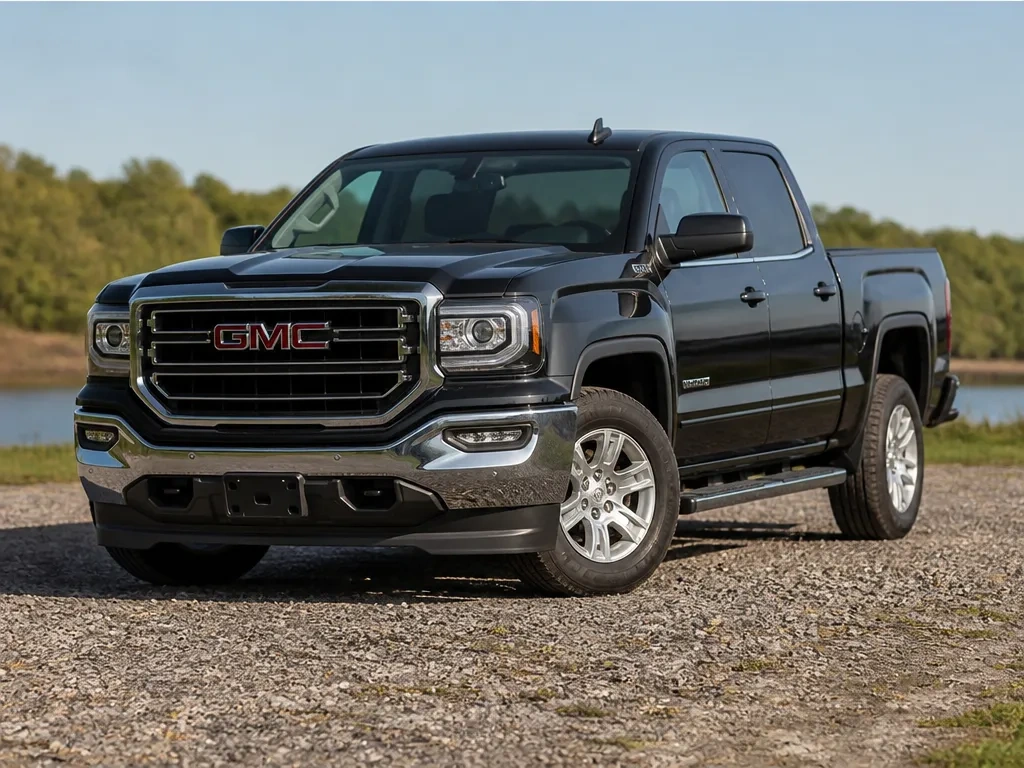
For a 2018 GMC Sierra with the 5.3L V8, the working fill figure for an oil change with a new oil filter is 6 quarts (about 5.7 L). Treat that as the target for a drain-and-fill, then use the dipstick to finish the job.
Start with 5 quarts (about 4.7 L). After the oil settles, check the dipstick and add oil in small amounts, up to the stated 0.5 to 1 quart range if needed. Stop when the level is within the dipstick’s normal operating range.
With-filter Oil Capacity For The 2018 Sierra 5.3l V8
The fill figure used here for a 2018 GMC Sierra with the 5.3L V8 is 6 quarts, or about 5.7 L, when the oil filter is replaced. It applies to a standard drain-and-fill with a new filter installed.
Use 6 quarts as a refill target, not as a substitute for the dipstick. Begin with 5 quarts, allow the oil to settle, and add only enough to bring the level into the marked normal range. Confirm the exact figure for your truck before relying on it.
| Service scenario | Oil capacity target |
|---|---|
| Oil change + new oil filter installed | 6 quarts (about 5.7 L), subject to confirmation |
The 6-quart figure is presented as an approximate target. The final dipstick reading can differ according to how much oil drained and how the oil settled. Check the level with the vehicle on a level surface and adjust carefully.
This guidance is limited to the 2018 Sierra 5.3L V8 with a new filter installed. A different engine or service method requires its own capacity specification.

Factors That Influence The Capacity (Numbers Attached)
The stated target is 6 quarts (5.7 L), but the final amount should be determined by the dipstick and confirmed against the exact vehicle specification.
What Changes The Oil Volume You End Up Holding
For that reason, treat 6 quarts (5.7 L) as a working target rather than a one-step instruction. Begin with 5 quarts, then make small adjustments based on the dipstick.
How To Refill After A Filter Change (Step-by-step)
Once the dipstick shows a level within the normal operating range, perform the final check specified for the vehicle. If you run the engine briefly, switch it off and recheck the level after the oil settles.
Applicability, Assumptions, And Unit Conversions
This guidance is for a 2018 GMC Sierra with the 5.3L V8 undergoing a drain-and-fill with a new oil filter. Confirm the engine and the applicable service specification for the exact truck before refilling.
The figure used here is approximately 6 quarts (5.7 L). It is a refill target for the stated service condition, not a guarantee that every drain will produce the same dipstick reading. The amount remaining after draining and the time allowed for the oil to settle can affect the final adjustment.
| Value | Quarts | Liters | How to use it |
|---|---|---|---|
| Oil capacity (with filter) | 6 quarts | 5.7 L | Use as the working refill target after a drain-and-fill with a new filter, subject to confirmation. |
| Oil added initially | 5 quarts | about 4.7 L | Pour this amount first, then adjust from the dipstick reading. |
For the conversions used here, 6 quarts is about 5.7 liters and 5 quarts is about 4.7 liters. Use the same units throughout the refill, and rely on the dipstick for the final level.
Quick Summary
For a 2018 GMC Sierra with the 5.3L V8, the working drain-and-fill figure with a new oil filter is 6 quarts (5.7 L), subject to confirmation for the exact truck.
| Condition that changes what to pour | What to use instead |
|---|---|
| Oil change method | With filter: drain the oil, install a new filter, and use the 6-quart (5.7 L) target subject to confirmation |
| How you start refilling | Pour 5 quarts (about 4.7 L) first, then add only what the dipstick requires |
| What you’re measuring against | Check after settling and keep the level within the marked normal operating range |
| Wrong engine or setup | Verify the specification for the exact engine and service condition |
Next action: Install the new filter, add 5 quarts, let the oil settle, and bring the level to the dipstick’s normal range. The stated total target is 6 quarts (5.7 L), but do not add the remainder unless the dipstick calls for it.
Frequently Asked Questions
How Long Should I Wait After Draining Before Checking The Oil Level?
Allow the oil to settle after the drain and after each addition. The exact waiting period should follow the vehicle’s checking procedure. If the first reading looks low, add a small amount and check again rather than adding a large amount at once.
What’s The Safest Way To Confirm The “With Filter” Spec Applies To My Exact Sierra?
Confirm that the truck has the 5.3L V8 and that you are performing a drain-and-fill with a new filter. Then verify the capacity in the vehicle-specific service information before using the 6-quart figure.
If the engine or filter setup is different, do not assume that the with-filter figure applies.
What Happens If I Underfill Or Overfill, And How Do I Correct It Quickly?
Do not continue with an oil level outside the dipstick’s normal operating range. If the level is low, add oil in small increments. If it is high, stop adding oil and correct the level before driving.
Is It Ever Okay To Skip Re-checking The Dipstick After Starting The Engine?
Do not skip the final check if the vehicle’s procedure calls for a reading after the engine has run. Switch the engine off, allow the oil to settle, and confirm that the level remains within the normal range.
How Do I Verify Whether My Oil Capacity Claim Is Accurate For My Truck Before I Rely On It?
Match the engine, model year, filter replacement, and drain-and-fill method to the vehicle-specific capacity information. Then begin with a conservative amount near the stated target and use the dipstick to finish.
If the level consistently falls outside the normal range, stop and verify the service setup and applicable specification rather than continuing to add oil.
When Should I Get Professional Help Instead Of Correcting Myself?
Get help if you cannot bring the level into the normal dipstick range, see a leak near the filter or drain plug, or are unsure which engine or filter specification applies.
If the engine has been operated with a clearly out-of-range oil level, have the vehicle checked before continuing to drive.