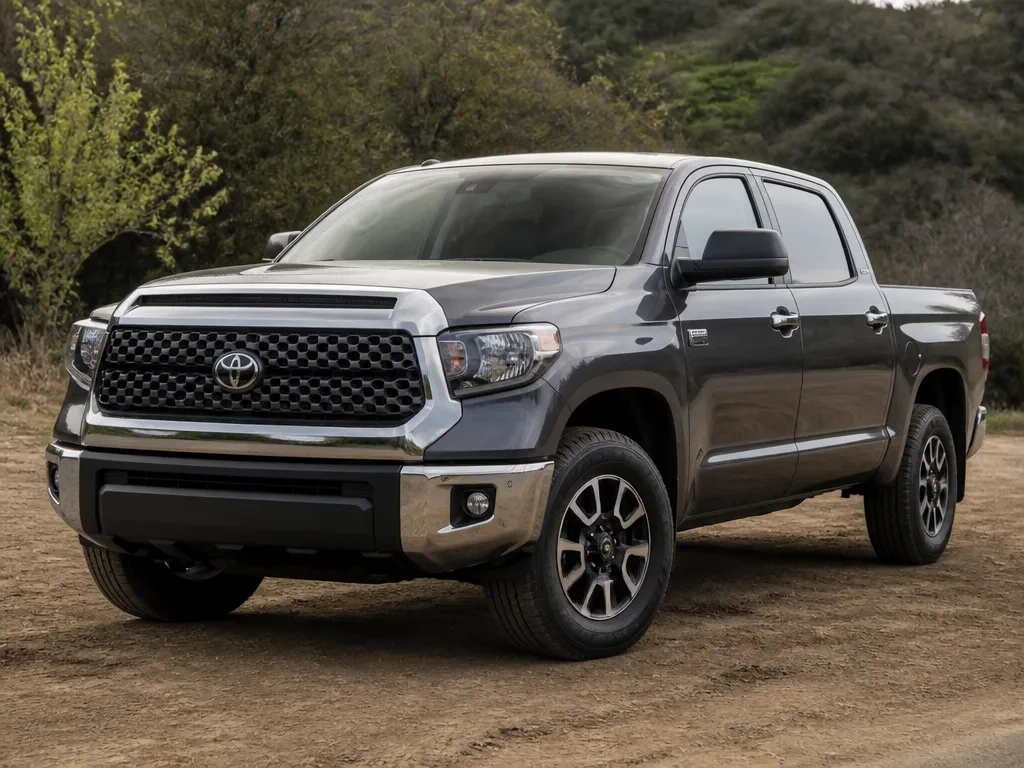
For the 2021 Toyota Tundra 5.7L V8, the reference capacity stated here is 8.0 quarts (7.6 liters) with a new oil filter and 6.6 quarts (6.2 liters) without the filter. Verify these figures in the Toyota Owner’s Manual or service literature for the truck’s VIN configuration before filling.
If the stated figures match your truck, begin with the applicable total and then verify the final level on the dipstick. A filter replacement, incomplete draining, oil left in the filter housing, and oil retained in internal passages can affect how much you need to add.
What Is 2021 Toyota Tundra 5.7l 8-cylinder Oil Capacity With Filter?
“Oil capacity with filter” refers to the amount used after the crankcase is drained, the oil filter is replaced, and the engine is refilled until the dipstick shows the correct level. It is a service reference, not a substitute for the final dipstick check.
The figures presented for this engine are 8.0 quarts (7.6 liters) with a new oil filter and 6.6 quarts (6.2 liters) without the filter. Confirm both figures in the Toyota Owner’s Manual or Toyota service literature for the exact vehicle before treating them as final.
| Measure | Value to verify for 2021 Tundra 5.7L V8 |
|---|---|
| Capacity with new oil filter | 8.0 qt (7.6 L) |
| Capacity without filter | 6.6 qt (6.2 L) |
The amount poured can differ from a published capacity because draining time, vehicle position, the old filter, and oil remaining in the engine affect the starting condition. Use the published figure as a starting point only, then confirm the level using the specified dipstick procedure.
Do not use the with-filter figure without checking the level when the filter has not been replaced. Likewise, do not assume that the without-filter figure is sufficient after installing a new filter. Confirm the final level rather than relying only on the amount poured.

How It Works
The oil filter is part of the engine’s lubrication system and can retain oil. Replacing it changes the amount of oil needed to reach the dipstick range. Oil also remains in internal passages and other components after draining, so the exact refill amount depends on how completely the system was drained.
For that reason, the with-filter and without-filter figures are starting references. Use the figure that matches the service performed, then make only small adjustments based on the dipstick.
Key Benefits
Using the correct capacity reference and checking the dipstick helps keep the oil level within the engine’s marked range. The oil viscosity, performance specification, and filter fitment should also be confirmed for the exact truck.
Step-by-step Guide
Use the following as a general drain, filter-replacement, and refill sequence. Follow Toyota’s instructions for the exact drain-plug procedure, filter installation, oil specification, and dipstick check.
Common Mistakes To Avoid
Most refill errors come from using the wrong capacity reference, skipping the dipstick check, or failing to confirm the oil and filter for the exact vehicle.
Measure the refill, then confirm the result. If the reading is uncertain, stop adding oil and verify the checking procedure before continuing.
Tips For Success
Use the stated capacity figures only after confirming that they apply to your truck. The reference amounts are 7.6 liters (8.0 quarts) with a new filter and 6.2 liters (6.6 quarts) without the filter.
Before filling, confirm the oil viscosity and performance specification in the Toyota Owner’s Manual. Confirm the filter part number through Toyota’s parts catalog or service information for the exact model, engine, and VIN configuration. Do not guess at a part number when the application has not been verified.
Add most of the expected amount first, then check the dipstick under the conditions specified by Toyota. Add oil in small increments only when the level is below the marked range.
If the reading does not agree with the expected fill, stop and verify the vehicle position, filter installation, drain-plug installation, oil specification, and capacity information before adding more oil.
Real Examples
The following examples use the reference figures stated in this article. Confirm the figures for the exact truck before using them.
Example 1, Normal Filter Replacement, Cold Start The Same Day
After draining the oil and installing a confirmed replacement filter, you use 7.6 liters (8.0 quarts) as the starting reference. You stop short of adding more, allow the oil to settle under the manual’s stated conditions, and check the dipstick. If the reading is below the marked range, add small amounts and check again.
Example 2, Topping Off After Drain-without-filter (Or After An Extended Drain)
If the filter is not replaced, the stated reference is 6.2 liters (6.6 quarts). Confirm that this service method and figure apply to the truck, then check the dipstick after settling. Do not use the 7.6-liter (8.0-quart) with-filter reference automatically when the filter has not been replaced.
| Scenario | Reference capacity to verify | What you do next |
|---|---|---|
| New filter installed | 7.6 L (8.0 qt) | Allow the oil to settle, then check the dipstick and add only as needed. |
| No filter replacement | 6.2 L (6.6 qt) | Allow the oil to settle, then check the dipstick and add only as needed. |
Drain time, oil temperature, filter replacement, vehicle position, and settling time can affect the final reading. If the result is unexpected, verify the procedure and the vehicle-specific information before making a large adjustment.
Quick Summary
For the 2021 Toyota Tundra 5.7L V8, the figures stated here are 8.0 quarts (7.6 liters) with a new oil filter and 6.6 quarts (6.2 liters) without the filter. Confirm them in the Toyota Owner’s Manual or service literature for the truck’s VIN configuration.
The final amount can differ from the reference because of the following:
Next action: Verify the capacity, oil specification, and filter fitment in Toyota documentation, then fill near the applicable reference and confirm the final level on the dipstick.
Frequently Asked Questions
What Should I Budget For An Oil Change On A 2021 Tundra (Parts And Labor)?
Cost depends on local labor rates, the oil and filter selected, and whether the work is performed by a shop or at home. Obtain a local quote and confirm which oil and filter are included.
Ask the shop to verify the filter fitment and final dipstick level after the service.
How Often Should I Schedule Oil Changes, And How Does Driving Style Change Timing?
Use the maintenance schedule in the Toyota Owner’s Manual for the vehicle and its service conditions. If your driving includes conditions such as frequent short trips, extended idling, towing, or dusty environments, check the manual for the applicable maintenance classification rather than choosing an interval from a general rule.
Is There A Special Exception If I Use A Different Brand Of Oil Or Switch Viscosities Between Changes?
Brand is not the only selection factor. Confirm that the oil meets the viscosity and performance specification listed for the 2021 Tundra 5.7L V8 in the owner’s manual. Use a different viscosity only where Toyota’s instructions allow it for the relevant temperature conditions.
If you are unsure whether a product meets the required specification, verify the product label and the vehicle documentation before filling.
What Happens If I Do Nothing After A Filter Change And I Cannot Verify The Dipstick Level?
Without a reliable dipstick reading, you cannot confirm whether the engine is within the intended oil-level range. Do not rely only on the amount poured. Follow the manual’s checking procedure or have the level verified before continued operation.
When Is It Time To Get Professional Help Instead Of Retrying The Fill Yourself?
Seek professional help if the wrong oil may have been used, the filter fitment is uncertain, the drain plug or filter leaks, or the dipstick reading remains unclear after following the specified procedure.
A shop can also correct an overfill and inspect the installation if removing oil at home would be unsafe or likely to cause contamination.
How Can I Verify That The Oil Filter Part Number And Oil Capacity Claim Are Correct For My Exact Truck?
Use Toyota’s parts catalog or service information and match the result to the exact model, engine, year, and VIN configuration. The material here does not provide a filter part number, so do not assume one without checking the application.
Verify the with-filter and without-filter capacities in the Toyota Owner’s Manual or Toyota service literature. After installation, follow the manual’s instructions for engine condition, waiting time, vehicle position, and dipstick reading. If the result does not fall within the marked range, stop and troubleshoot rather than adding oil by feel.